


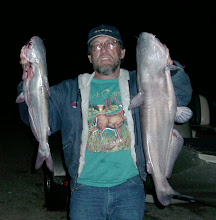
Many anglers will tell you this is what they use and catch the big cats, and others will tell you that they use this to catch the big cats.
The story is true. Everyone has a different way to catch a fish. The thing is that the bait is the one ingredient you need to catch a big catfish.
It is not necessarily the best bait for catfish fishing you need to know, but the bait that work the best for you. Once you know some of the top rated baits that are used will help you select and use one or all of the baits.
The first bait that you might try for catfish fishing is stinky bait. There are many different stinky types of bait that you can try. The first one that comes to mind is the chicken livers.
You will need a package of chicken livers. Place the first layer in a pan, add garlic salt. Then add the second layer and garlic salt. Do this until the chicken livers are all layer and salted n the pan.
You then cover the pan with a cover or tin foil being careful not to let the lid touch the chicken livers. Put the covered pan outside for three hours.
After three hours, drop the chicken livers into a bucket. Add the remaining garlic salt while stirring the livers. Save about a quarter of the garlic salt for when you uncover the creation.
Cover the bucket and place outside in a storage area for ten days. Ten days, you are ready to go catfish fishing. Pour the rest of the garlic into the bucket and stir.
Now you can head out with your tough chicken livers for some great catfish fishing. This is the easiest catfish bait to make and use.
The next bait on the top of the list is fish heads. This is as simple as it sounds. You can use fish heads from a market or from fish that you have caught before. The biggest catfish that was caught a while back was caught with a fish head.
The catfish attract to the smell. The keen sense of smell allows the cats to smell and find something smelly such as a dead fish or fish head. This would probably account for less dead fish in lakes that have catfish. They can keep the waters clean and free of dead fish.
Then there are the anglers that use an Ivory soap mixture for baiting the catfish. This is a strange recipe, but it has been proven to work.
It is relatively inexpensive and the cats like it. You need four bars of Ivory soap, 1/2 cup sugar and 1/2 cup water. Put the water into a pan, add the sugar, and dissolve.
Add the shavings of the Ivory soap to the water mixture. Keep the heat low as not to boil over.
Once the soap is melted, pour it out onto a piece of paper and while it is still warm, flatten it down to about a half an inch thick.
Then cut the flat slab into cubes before it cools all the way. Put the cubes into a zip-lock bag to keep it moist. You can use these cubes to catch a catfish with a baitholder hook or a bait hook. The catfish attract to the smell and taste of this stinky bait.
These are the two top stinky baits used. However, there are many recipes for stinky bait.
You can use just about anything for stinky bait. The more it smells, the more it will attract the catfish. You just need a place to keep the bait after you make it unless you plan to share it with friends or use it all in one day. The amount you make at one time will depend on how often you go fishing.
If you fish a few times a week, you can use a large recipe, but you might need to cut it in half if you only fish occasionally. You do not want the bait to lose its stink appeal. This would defeat the purpose of making the stinky bait.
If you decide to do some catfish fishing, you will find that any of these baits will work.
However, catfish do bite at anything. They will eat minnows, frogs, other fish and even have been known to eat possum.
It is all up to the angler as to what bait to use for catfish fishing. Take the time to study what other anglers are using as well.
Every area has a different type of catfish. It might be as simple as catching a catfish with a piece of herring or a plastic worm dipped in a stinky bait mixture.
Enjoy a great day of fishing the most sought after fish.
Sunday, August 30, 2009


Sunday, August 16, 2009
USING "COLORS" to CATCH A HUGE SLAB of CRAPPIES
Most crappier anglers feel the best baits for catching the often finicky crappie are live baits, but there are many crappie fishermen who have clearly experienced the benefits of using crappie jigs when live baits are not convenient.
There are advantages to using lures rather than live bait, and most of them are obvious.
Live bait has to be kept alive, it is harder to put on a hook, and you have to either catch it or go to a bait shop and buy it before you can fish.
Lures may be purchased ahead of time, and you can go fishing whenever you want without having to worry about a trip to a bait shop or stopping to catch bait before you can fish for your target fish.
I hope this comprehensive guide to which colors of jigs work best under which conditions will help you maximize the use of jigs when catching crappie, should you decide that you wish to use jigs as opposed to live
baits.Minnows are generally recognized as being the most popular live bait for catching crappie. The thing is, everyone knows how finicky a crappie can be, and minnows come in one basic variety. If you are using artificial crappie lures, you can choose from almost any hue of combination of hues to maximize your potential no matter what the water conditions might be or how persnickity the crappie are set on being at the moment.
Sometimes it does not seem to matter one bit the color of the lure you use, and at other times, it seems like even subtle color variations make a huge difference when it comes to enticing crappie to take a bite!
Most people who fish for bass will tell you that you should fish dark lures in dark waters and dark days, and light lures in clear water on light days, but in the case of crappie it is just not always true.
In fact, try fishing dark lures in clear water on clear days, and it appears the crappie have trouble distinguishing the lure from tasty bugs and other bait on which they normally feed.
Anytime you are having a tough time with getting the crappie to bite, consider using these reliable colors of jigs.
Anything that is flashy or sparkly to catch the crappie's attention can make a real difference when they are particularly finicky.
Consider yellows, oranges and chartreuse as well as anything with metalic flecks on such occasions, especially if the water is stained.
Another option could be any lure with lots of contrast such as is the case in black and white lures.
These suggestions really are just that...suggestions, because one fact alone remains constant when it comes to choosing colors of fishing lures with which to fish for crappie.
The colors on which crappie will bite changes, not just from day to day, but from hour to hour.
The only sure fire way to determine what works best is trial and error. Consider putting different colors of jigs on different rods and line fishing.
Once you hit on a color, or color combination that seems to be tempting the crappie to take your bait, just keep using it until they stop biting and then switch to something else.
I understand that this approach seems less than scientific, and a little vague, but any experienced crappie angler will tell you thatcrappie do not always adhere to logic and science when it comes to what they will or will not bite.
Feel free to try the old 'dark lures on dark days, light lures on light days' school of thought if you would like, and if it works foryou, great! It just seems like the single best way to determine what a crappie will hit, is to test the waters and determine what catches their interest at the particular time at which you are fishing.
Another tip for finding crappie or other fish is to simply work with the locals. You will see that they have the best availability to help you find the right type of bait, lures, and even fishing spots because they have the experience necessary.
It is always wise to have a wide selection of jig colors with you, too. That way, you can try out a few different choices and find the one that will work the best for you.
You may even become an expert yourself at it!
Choose jig colors based on all of these factors when possible.
--------------
...and there you have it.
Do your best to KNOW your prey.
Soon it will be second nature, and when you're on the water you're always thinking like a crappie.
And you'll use color get another inside edge.
Get out there and use this stuff to tear em upas soon as you can.
Hopefully this weekend!
Have a great one.
Gone Fishin',Dan Eggertsen
P.S. Remember, you can try the Crappie Fishing"Secret Weapon" I mentioned earlier for afull 6 months before you decide if it's for you or not.
PUt it to any test, in any body of water, andsee the amazing results for yourself:
http://www.systemsalesmachine.com/app/?af=1031955
There are advantages to using lures rather than live bait, and most of them are obvious.
Live bait has to be kept alive, it is harder to put on a hook, and you have to either catch it or go to a bait shop and buy it before you can fish.
Lures may be purchased ahead of time, and you can go fishing whenever you want without having to worry about a trip to a bait shop or stopping to catch bait before you can fish for your target fish.
I hope this comprehensive guide to which colors of jigs work best under which conditions will help you maximize the use of jigs when catching crappie, should you decide that you wish to use jigs as opposed to live
baits.Minnows are generally recognized as being the most popular live bait for catching crappie. The thing is, everyone knows how finicky a crappie can be, and minnows come in one basic variety. If you are using artificial crappie lures, you can choose from almost any hue of combination of hues to maximize your potential no matter what the water conditions might be or how persnickity the crappie are set on being at the moment.
Sometimes it does not seem to matter one bit the color of the lure you use, and at other times, it seems like even subtle color variations make a huge difference when it comes to enticing crappie to take a bite!
Most people who fish for bass will tell you that you should fish dark lures in dark waters and dark days, and light lures in clear water on light days, but in the case of crappie it is just not always true.
In fact, try fishing dark lures in clear water on clear days, and it appears the crappie have trouble distinguishing the lure from tasty bugs and other bait on which they normally feed.
Anytime you are having a tough time with getting the crappie to bite, consider using these reliable colors of jigs.
Anything that is flashy or sparkly to catch the crappie's attention can make a real difference when they are particularly finicky.
Consider yellows, oranges and chartreuse as well as anything with metalic flecks on such occasions, especially if the water is stained.
Another option could be any lure with lots of contrast such as is the case in black and white lures.
These suggestions really are just that...suggestions, because one fact alone remains constant when it comes to choosing colors of fishing lures with which to fish for crappie.
The colors on which crappie will bite changes, not just from day to day, but from hour to hour.
The only sure fire way to determine what works best is trial and error. Consider putting different colors of jigs on different rods and line fishing.
Once you hit on a color, or color combination that seems to be tempting the crappie to take your bait, just keep using it until they stop biting and then switch to something else.
I understand that this approach seems less than scientific, and a little vague, but any experienced crappie angler will tell you thatcrappie do not always adhere to logic and science when it comes to what they will or will not bite.
Feel free to try the old 'dark lures on dark days, light lures on light days' school of thought if you would like, and if it works foryou, great! It just seems like the single best way to determine what a crappie will hit, is to test the waters and determine what catches their interest at the particular time at which you are fishing.
Another tip for finding crappie or other fish is to simply work with the locals. You will see that they have the best availability to help you find the right type of bait, lures, and even fishing spots because they have the experience necessary.
It is always wise to have a wide selection of jig colors with you, too. That way, you can try out a few different choices and find the one that will work the best for you.
You may even become an expert yourself at it!
Choose jig colors based on all of these factors when possible.
--------------
...and there you have it.
Do your best to KNOW your prey.
Soon it will be second nature, and when you're on the water you're always thinking like a crappie.
And you'll use color get another inside edge.
Get out there and use this stuff to tear em upas soon as you can.
Hopefully this weekend!
Have a great one.
Gone Fishin',Dan Eggertsen
P.S. Remember, you can try the Crappie Fishing"Secret Weapon" I mentioned earlier for afull 6 months before you decide if it's for you or not.
PUt it to any test, in any body of water, andsee the amazing results for yourself:
http://www.systemsalesmachine.com/app/?af=1031955
RECIPIES
If anyone has a really good fish or hushpuppie recipie I would really like to try it out.
Thanks,Richard
Thanks,Richard
Friday, August 14, 2009
Spider Rigging for Crappie
If you have ever seen anyone spider rigging for crappie, you know it is a sight you are not likely to forget. In spider rigging, the fisherman uses a large number of long crappie poles or rods and reels, spread out around the front and sides of the boat. The term itself actually comes from the appearance of the boat, which, with all these poles extended out from the boat, gives it a spider-like appearance. Each one of the poles will normally be set at a different depths. This approach really makes a difference in locating the depths at which the crappie may be located. Once a fish bites at one of the depths, since crappie travel in schools, the various pole depths may be adjusted to the depth the bite occurred.To spider rig for crappie, you will need several fishing rods or poles. The accepted length is usually about ten foot long. Each rod will need an accompanying rod holder to hold the rods in place. Rods come in lots of types and the prices really do reflect all ranges of the products available. Just try to do your homework, buy the best you can afford that is practical for your purposes, and buy reputable brands from reputable dealers, and you should be fine.One set up that is designed specifically for spider fishing that can give you a great example of what you will need to do a good job, is the Black Widow Spider Rigging System. The price is really reasonable, and the product is good, but even should you decide on a different set up, it will give you an idea of what all is involved in the equipment needed for spider rigging for crappie.Whatever set up you choose, you should rig your poles with a spinning reel. It is not necessary to spend a lot of money to do that. Inexpensive reels will do a good job as long as you choose one that is relatively good quality and brand. Use about a six pound test line on these reels. Figure out where you want to sit, and mount the poles spaced as far apart as you can while still keeping them relatively close. Make sure you can reach them fairly easily.Now, it is important that you find a way of spider rigging and setting up your poles that works for you, and stick with it once you do. What we provide for you here is just an overview and a set of options. Definitely customize them for your needs, your strategies and your area.Here are some suggestions that have worked well for others, and could work well for you. Just be sure not to hesitate to experiment a little bit to hit on the right combination that will work for you in the areas in which you like to catch crappie.Try something like Hot head jig, on the end of your line, and use an ounce split shot about a foot and a half above your jig. Minnows also work very well. Try them on about a #2 hook tied onto your hook. Put a fourth ounce spit shot about 1 inch above your hook.You can paint the tips of your poles also to help you see when a fish gets on your line.Good colors for maximum visibility are chartreuse or orange.Recently, anglers fishing in crappie tournaments have used spider rigging to catch fish in the winter tournaments when they are suspended in shallows. They actually color code their floats to certain depths and use very systematic charts and routines to determine precisely where the crappie are located and where they are hanging to maximize the time they have to catch their record limits. As you can tell, this is perhaps one of the most complex methods of using this system, but it works.Even if you are not planning to do any tournament fishing for crappie, you can still use this type of method to catch your own fish. Whether you choose a simpler method or go for the most in depth method available, that's up to you.What you will find is that fishing for crappie like this (or any other way for that matter) is a lot of fun and is worth the extra work it takes to get the process started.
http://www.systemsalesmachine.com/app/?af=1031955
Remember... if you're not fishin', you're notlivin'.
Get out there as often as you can, and takesomeone you love.
Any problems you're having will fade away, atleast for a little while.
You have a good one, and I'll be back with younext Friday.
Gone Fishin',
Dan Eggertsen
http://www.systemsalesmachine.com/app/?af=1031955
Remember... if you're not fishin', you're notlivin'.
Get out there as often as you can, and takesomeone you love.
Any problems you're having will fade away, atleast for a little while.
You have a good one, and I'll be back with younext Friday.
Gone Fishin',
Dan Eggertsen
Tuesday, August 11, 2009
Fried Catfish
One of my favorite ways to fix fried catfish is to take my catfish filets and place them in a container and spread Louisianna hot sauce on them covering them with a nice coating.Then I cover the catfish filets and place them in the fridge overnight.Then I remove the catfish when I'm ready to start cooking,I lay the catfish on some paper towels in a single layer and pat them dry with aother paper towel and begin breading.Icook my catfish in a fish cooker at 350 degrees until the catfish floats,remove and enjoy.
Happy Fishing,Richard
Happy Fishing,Richard
Subscribe to:
Posts (Atom)
Subscribe To Gone Fishing


 Posts
All Comments
Posts
All Comments